


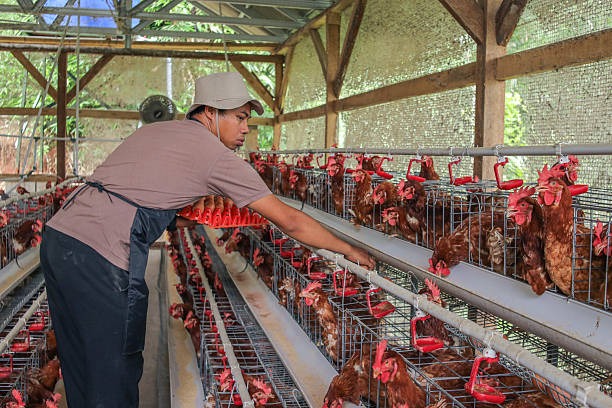
Keeping a backyard flock is a rewarding journey, but it comes with the heavy responsibility of playing “chicken doctor” when things go south. Whether your birds are facing a scorching summer heatwave or a stubborn respiratory sniffle, knowing how to use electrolytes for chickens and terramycin for chickens can be the difference between a thriving coop and a heartbreaking loss. This guide dives deep into the science of hydration and targeted recovery to ensure your feathered friends stay in peak condition.
Understanding the Role of Terramycin for Chickens in Disease Control
When your birds show signs of illness—lethargy, ruffled feathers, or discharge—acting fast is non-negotiable. Terramycin for chickens is a broad-spectrum antibiotic that has been a staple in the poultry world for decades. It is particularly effective against primary and secondary infections like Mycoplasma (CRD) and fowl cholera. However, administering medicine to a sick bird isn’t just about the dosage; it’s about ensuring their system is stable enough to process the treatment.
Using Terramycin for chickens effectively requires a clean environment and a clear understanding of withdrawal periods if you are raising birds for eggs or meat. You should always follow the specific mixing instructions on the packet, usually dissolving the powder into the primary water source. Because antibiotics can be hard on the gut flora, many experienced keepers find that pairing the treatment with a subsequent round of probiotics helps the birds bounce back much faster once the infection clears.
Essential Tips for Administering Medication
Managing a sick flock requires a blend of precision and patience. When you are using Terramycin for chickens, you need a strategy that ensures every bird gets the right amount of medicine without wasting product.
- Mix a fresh batch of medicated water every 24 hours to maintain the potency of the Terramycin for chickens.
- Remove all other water sources so the birds are forced to drink the treated water.
- Keep the waterers out of direct sunlight, as UV rays can break down the chemical stability of the antibiotic.
- Monitor your flock closely for 5 to 7 days to ensure the symptoms are actually receding.
Why Electrolytes for Chickens are Your Secret Weapon
While antibiotics fight the “bad guys,” electrolytes for chickens provide the raw energy and chemical balance needed to keep the birds’ bodies functioning. Chickens don’t sweat; they pant to cool down. This process, known as evaporative cooling, causes them to lose vital minerals like sodium, potassium, and chloride. If these aren’t replaced, the bird enters a state of metabolic acidosis, which can be fatal.
Introducing electrolytes for chickens is especially crucial during transport, extreme heat, or after a predator attack. The shock of an event often causes a bird to stop eating, but they will usually continue to drink. By adding electrolytes for chickens to their water, you are essentially giving them a “sports drink” that jumpstarts their cellular function. It helps maintain the pH balance of their blood and ensures their muscles—including the heart—keep working efficiently during periods of high stress.

When to Prioritize Hydration Over Medication
There is a common misconception that you should throw every possible powder into the water at once. However, sometimes the bird is simply too dehydrated to handle a heavy dose of Terramycin for chickens. In these cases, a 24-hour “hydration blast” using electrolytes for chickens is the best first step. Once the bird is alert and drinking steadily, you can then transition to the antibiotic protocol to address the underlying bacterial issue.
Conclusion: A Balanced Approach to Flock Health
Mastering the use of electrolytes for chickens and terramycin for chickens allows you to build a robust first-aid kit for your coop. By focusing on hydration first and targeted medication second, you create a safety net that protects your birds from both environmental stressors and infectious diseases. Remember, a healthy chicken is a hydrated chicken. Always keep these two essentials on hand, and you’ll be prepared for whatever the seasons throw at your flock.