


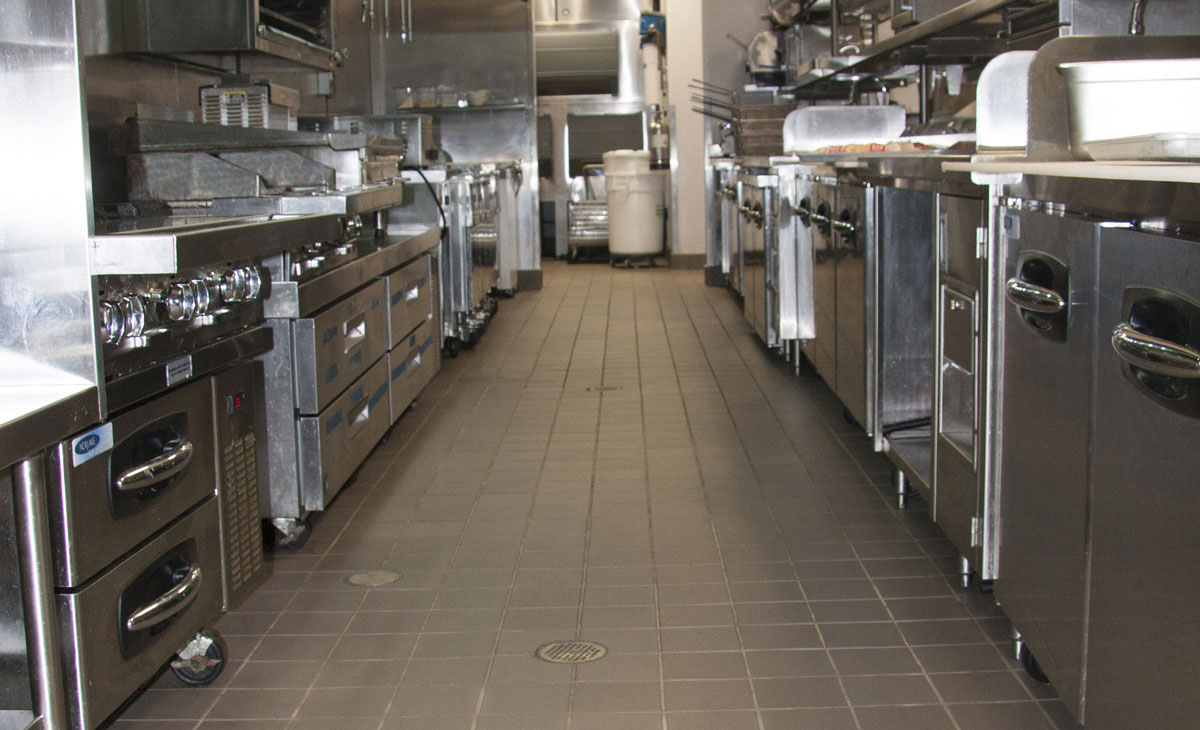
Ghost kitchens have reshaped the food business landscape across the country, and New Jersey is no exception. These delivery-only food operations offer lower overhead, faster launch timelines, and greater flexibility than traditional restaurants. But they still operate in commercial kitchen environments that must meet the same health and safety standards as any brick-and-mortar dining establishment. That means commercial kitchen flooring nj compliance is every bit as important for a ghost kitchen as it is for a full-service restaurant. If you are planning to open one, here is what you need to know before you pour concrete or lay a single tile.
Why Ghost Kitchens Face Unique Flooring Demands
Traditional restaurants have defined service hours with natural cleaning windows. Ghost kitchens often operate extended hours or even around the clock to capture demand from multiple meal periods and delivery platforms. That continuous operation puts constant stress on kitchen surfaces, including the floor.
Many ghost kitchen spaces also run multiple virtual restaurant brands simultaneously, meaning different food types, more staff rotating through the space, and higher overall production volume per square foot than a typical single-concept kitchen. All of that adds up to significantly accelerated wear on any flooring material that was not selected with high-volume, continuous operation in mind.
NJ Code Requirements Every Ghost Kitchen Operator Must Know
New Jersey treats ghost kitchens as commercial food establishments subject to full health code requirements. That means your floor must be smooth, non-porous, easy to clean, in good repair, and appropriate for the type of food production occurring in the space. These are not suggestions. They are baseline requirements that health inspectors will verify before you receive approval to operate.
If you are leasing an existing commercial space for your ghost kitchen, the first step is a professional assessment of the current floor condition. Many spaces that previously housed other businesses have flooring that does not meet current food service standards. Addressing those deficiencies before launch is far less costly than being forced to remediate them after receiving a notice of violation.
The Best Flooring Solutions for Ghost Kitchen Environments
Based on the demands of ghost kitchen operations, seamless flooring systems consistently outperform traditional alternatives. A quality commercial kitchen flooring nj solution like a multi-layer epoxy system provides the durability, hygiene, and ease of cleaning that high-volume continuous operations require.
Epoxy also installs relatively quickly in most spaces, which is important for ghost kitchen entrepreneurs working against a launch timeline. An experienced contractor can typically complete an installation over a weekend, allowing the kitchen to be operational by the start of the following week without extended downtime. That speed of deployment aligns well with the faster pace of ghost kitchen business models.
Building a Ghost Kitchen That Attracts Investors and Partners
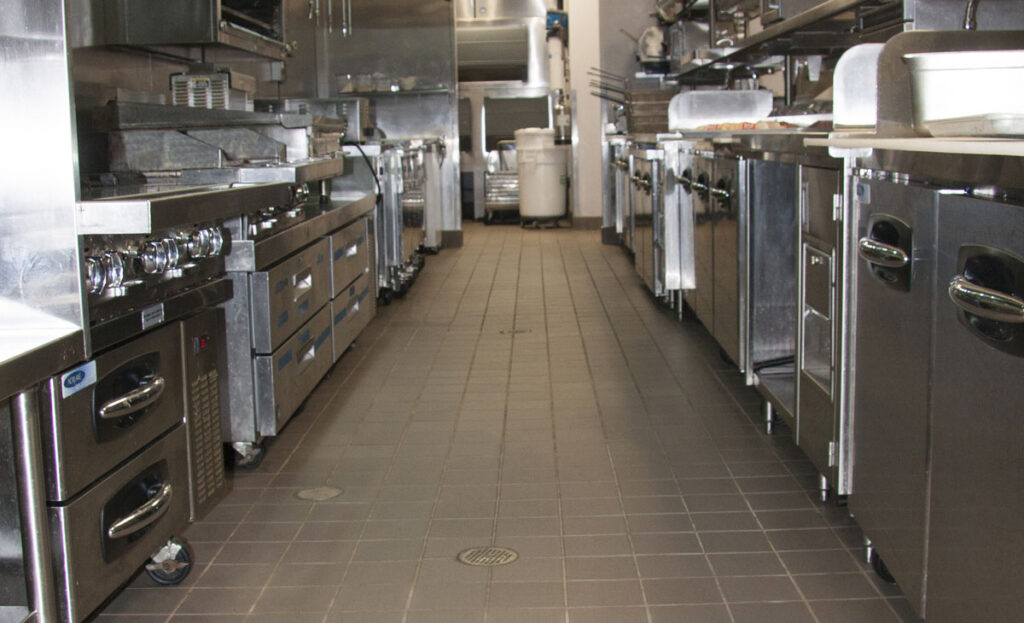
Ghost kitchens that are professionally built and well-maintained attract better opportunities. Whether you are seeking outside investment, looking to sub-license your space to other brands, or planning to expand into a multi-location operation, the physical quality of your kitchen says a great deal about how you run your business.
Investors and potential partners increasingly perform physical due diligence on food operations. A kitchen that is clean, code-compliant, and equipped with professional-grade infrastructure signals operational maturity. A worn, improvised kitchen sends the opposite message, regardless of how strong your digital brand or delivery metrics may be.
Conclusion
Ghost kitchens represent one of the most exciting opportunities in today’s food economy. But the digital-first nature of the model does not eliminate the need for solid physical infrastructure. Getting your commercial kitchen flooring nj right from the start sets the stage for smooth inspections, efficient operations, and a kitchen that scales with your ambitions rather than holding them back.